About Ile de la Cite
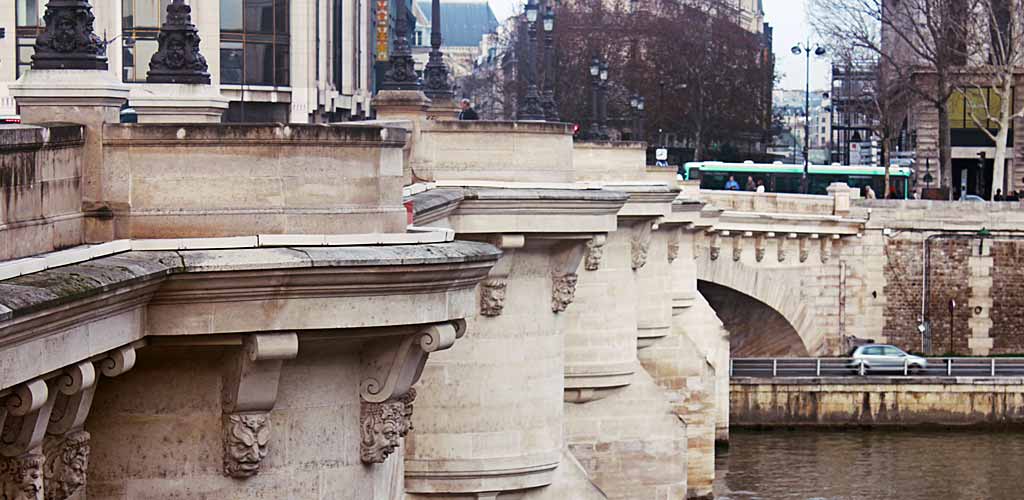
Île de la Cité is one of the two natural islands in the Seine, in the middle of Paris. It matters because it was the medieval centre of the city, and the buildings put up for that role are still standing on it — Notre-Dame cathedral above all.
Historical Significance and Cultural Heritage
The island lies in the Seine at the historic centre of Paris, between the two banks, and straddles the 1st and 4th arrondissements. A royal palace and a cathedral were built on it, and the three medieval monuments that survive there — Notre-Dame, the Sainte-Chapelle and the Conciergerie — all stand on the same small island.
In front of the cathedral, set into the paving of the parvis, a bronze medallion marks the point zéro: the point from which road distances in France are measured. The Archaeological Crypt beneath the same parvis is closed to visitors — it shut on 28 June 2026 for preventive conservation, and no reopening date has been published.
Architectural Masterpieces and Gothic Innovation
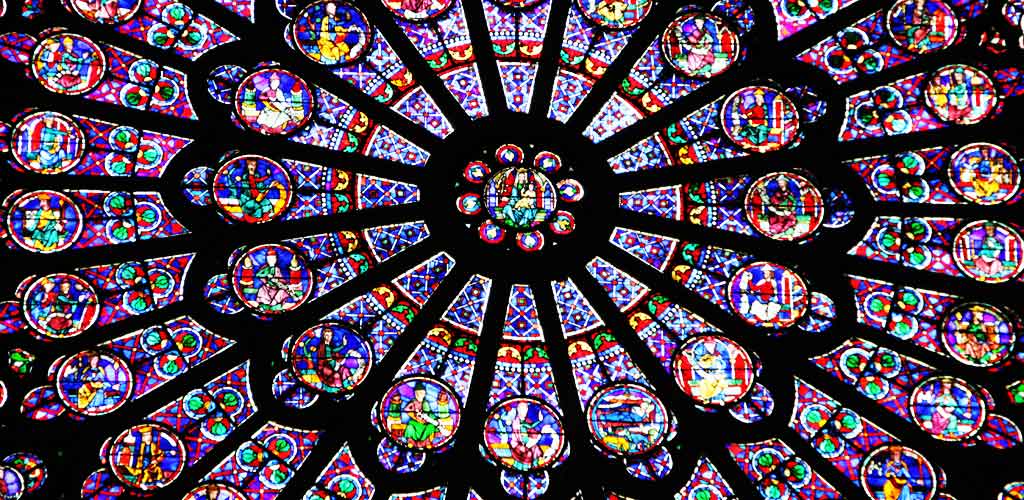
Notre-Dame is a working cathedral as well as the island's monument: entry is free and needs no ticket, and the cathedral offers a free timed reservation which is optional but recommended. The towers are a separate ticketed visit — 424 steps, 69 m — sold online only, with no tickets at the door. The cathedral reopened on 8 December 2024 and the towers on 20 September 2025.
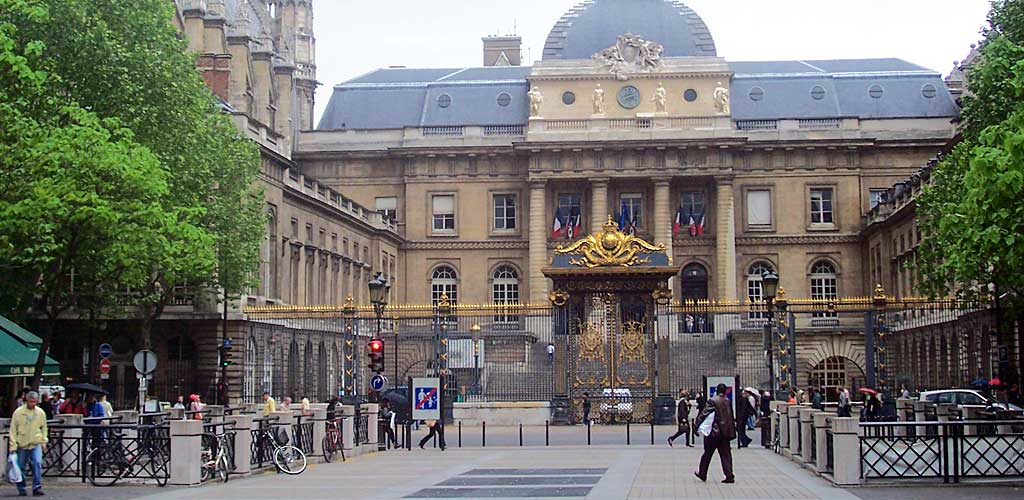
The Sainte-Chapelle, at 10 boulevard du Palais, is the island's second Gothic interior and the one that needs planning: it stands inside the Palais de Justice, so you go through security to reach it, and its hours change with the season — 09:00-19:00 from 1 April to 30 September, 09:00-17:00 from 1 October to 31 March, with last access 30 minutes before closing.
The Conciergerie, next door at 2 boulevard du Palais, is the medieval royal palace that became a revolutionary prison: the Salle des Gens d'Armes is the largest Gothic civil hall in Europe, built under Philippe IV between 1300 and 1314, and the Revolutionary Court sat here from March 1793. Marie-Antoinette was held here for the last 76 days before she was executed on 16 October 1793.
Contemporary Tourism and Cultural Education
The island is about a kilometre from tip to tip, so it is a place to walk rather than one to plan transport on. Getting to it is simple: Cité, on métro line 4, is its only station, and Saint-Michel-Notre-Dame, on the left bank just across the river, carries RER lines B and C. What does need planning is the ticketing: Notre-Dame is free and needs no ticket, while the Sainte-Chapelle, the Conciergerie and the towers are ticketed, and the towers are sold online only.
About Île-de-la-Cité-FR.COM
Île-de-la-Cité-FR.com is a guide to this one island: what stands on it, when it is open, what a ticket costs, and what a visit is actually like. It is written for people deciding whether to come and how to spend a few hours here.
Its aim is to be right about the things a visitor acts on — opening hours, prices, which station, what is closed — and to say so when something is not published rather than filling the gap. Where a claim can be checked against an operator's own page, that is where it comes from. Corrections and questions go to the contact page.